
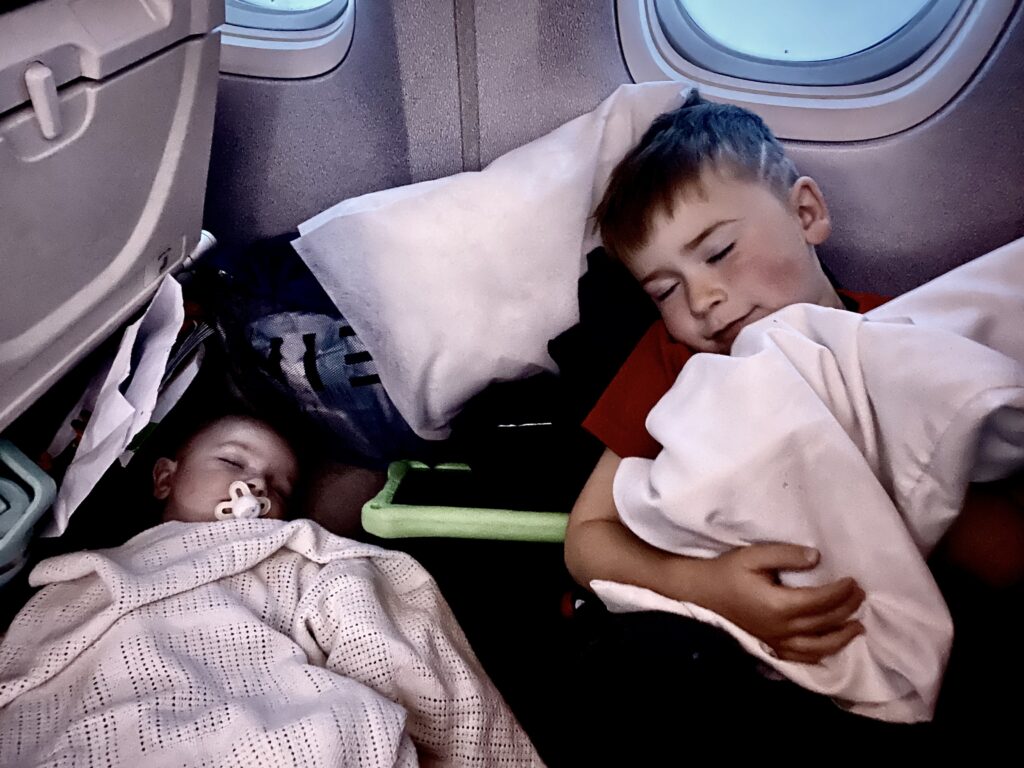
Your Survival Guide to Baby Sleep on the Go
Hello, lovely mamas! 💕 If you’re gearing up for a family trip and feeling a little (read: a lot) anxious about your baby’s sleep schedule going totally off the rails — you’re not alone.
Whether you’re hopping on a plane to visit family or heading somewhere dreamy for a well-earned vacation, the thought of nap disruptions, bedtime battles, and toddler jet lag is enough to make even the most seasoned mum feel overwhelmed.
Good news: with a little planning and a few simple strategies, managing sleep schedules on vacation can be totally doable — and dare I say, even smooth. In this post, I’ll share my tried-and-tested travel sleep tips for babies, smart tricks for adjusting baby sleep to time zones, and how to keep baby’s routine while traveling without losing your mind (or your much-needed rest). Let’s dive in.
Why Baby Sleep Routines Matter — Especially on Vacation
Babies and toddlers thrive on routine. Predictable naps and bedtimes help regulate their internal clocks and keep meltdowns at bay. But when you’re traveling, everything gets flipped upside down — new environments, different beds, strange noises, and yes, time zone changes.
So why not just wing it?
Because overtired babies = cranky babies. And no one wants to spend their trip pacing hotel hallways at 2 a.m.
That said, flexibility is your secret weapon. You can maintain some structure while still enjoying your holiday. It’s all about prioritizing sleep, being consistent where it counts, and giving yourself grace when things go sideways (because, let’s face it, they sometimes will).
Pre-Trip Prep: Laying the Groundwork for Better Sleep
Before you even zip up your suitcase, here are a few things you can do to set yourself (and your baby) up for success:
✈️ 1. Book Smart
- Choose flights wisely: If you’re flying long-haul, aim for overnight flights that align with your baby’s natural bedtime. For short trips, consider flying during nap time.
- Time your travel: Try arriving at your destination in the late afternoon — it helps you keep baby awake until bedtime and kickstarts the new schedule.
🕰️ 2. Gradually Shift Their Schedule
If you’re heading into a different time zone, start adjusting your baby’s routine a few days before departure.
- Move bedtime and naps 15–30 minutes earlier or later each day to slowly transition.
- Even a partial adjustment helps ease the shock of the new time zone and reduce toddler jet lag symptoms.
🧳 3. Pack Sleep Essentials
Consistency = comfort. Make the sleep environment feel as familiar as possible:
- Travel blackout blinds (or use garbage bags and painter’s tape in a pinch)
- White noise machine or app
- Favorite sleep sack, lovey, or blanket
- Portable crib or travel bassinet if possible
Bringing familiar sleep cues helps baby recognize it’s time to wind down — even in a totally new place.
In Transit: Naps, Sleep & Airport Chaos
Airports and travel days are tough on adults, let alone tiny humans. Here’s how to navigate it like a pro:
🚗 4. Don’t Stress About the “Perfect” Nap Day
Travel days are survival mode. It’s okay if naps are shorter, on the go, or even skipped (within reason).
- Use a baby carrier for contact naps in transit.
- Recreate bedtime rituals on the plane or in the car — even if it’s just a quick story or lullaby.
- Try to avoid over-scheduling your travel day with too much stimulation.
Pro tip: Bring a change of clothes (for both of you), snacks, and a sense of humor. You’ll need all three.
At Your Destination: Resetting Routines
Now that you’ve arrived, it’s time to hit “reset” and help your baby adjust to their new surroundings. This is where your game plan really shines.
🕰️ 5. Adjusting Baby Sleep to Time Zones
One of the top questions I get: “How do I handle time zone changes and baby sleep?” Here’s the answer:
- Get on local time as soon as possible.
- If you land in the morning, keep baby awake with sunshine and activity.
- If you arrive in the evening, keep things calm and head straight into the bedtime routine.
- If you land in the morning, keep baby awake with sunshine and activity.
- Use natural light to reset their internal clock. Go outside often during the day.
- Stick with your regular nap/bedtime windows — even if the actual clock time is different.
Example: If your baby usually naps at 12 p.m. at home, aim for 12 p.m. local time after a day or so of transition.
🛏️ 6. Stick to the Bedtime Routine
Even on vacation, those familiar cues signal to baby that it’s time to sleep.
- Bath, book, bottle (or breast), cuddles — keep it the same!
- Try to wind down at least 30 minutes before bedtime.
- Keep the sleep environment dark, quiet, and cozy.
Consistency here helps with how to keep baby’s routine while traveling — it reassures them and keeps sleep somewhat predictable.
Baby Nap Routine on Vacation: The Realistic Approach
Vacations are supposed to be fun, not dominated by nap schedules. But overtired babies can ruin a day faster than a forgotten passport. Here’s how to balance it:
😴 7. Prioritize One “Good” Nap a Day
- Try for at least one solid nap in a crib or cot (even if it’s at your hotel or Airbnb).
- Let other naps happen in the stroller, baby carrier, or car as needed.
This flexible approach supports your baby’s need for rest without making you a prisoner of your accommodation.
🧭 8. Use Motion Naps Strategically
On-the-go naps are totally okay! They’re especially useful for younger babies who sleep easily in motion.
- Plan excursions around nap windows (long walks, scenic drives, baby carrier hikes).
- For toddlers, limit motion naps to one per day to avoid sabotaging nighttime sleep.
Night Wakings, Early Risers & Toddler Jet Lag Tips
Even with all the planning, you might still run into hiccups. Here’s how to troubleshoot:
🌜 9. Dealing with Night Wakings
Time zone changes and overstimulation can lead to middle-of-the-night parties (ugh).
- Keep interactions boring: dim lights, minimal talking, and no screen time.
- Stick to your usual soothing method (rocking, nursing, etc.) but keep it low-key.
- Avoid starting new habits like bed-sharing unless you’re okay continuing once you’re home.
🌅 10. Early Wake-Ups
If baby is waking at 4 a.m. bright-eyed and bushy-tailed:
- Use blackout curtains to keep the room dark.
- Push bedtime later by 15–30 minutes.
- Offer a quiet snack or milk and try to settle back to sleep.
Remember: this is temporary. Most babies adjust within 3–5 days if you’re consistent.
Real Talk: Be Flexible & Forgive Yourself
Let’s be honest: even the best-laid plans can go haywire. Maybe your baby naps in 10-minute bursts for two days. Maybe bedtime gets pushed way late. That’s okay.
Vacations are about making memories, not obsessing over perfect sleep.
Stick to a few key principles, roll with the rest, and trust that you’ll all find your rhythm again. When you get home, return to your usual routine — most babies bounce back within a week.
Pin This for Your Next Trip! ✈️
So mamas, the next time you’re googling “managing sleep schedules on vacation” or searching Pinterest for tips for jet lag with toddlers, know that you’ve got this — and you’re not alone.
From prepping schedules in advance to balancing naps on-the-go and resetting routines in new time zones, you’re armed with the tools to travel smarter, not harder.
And remember: flexibility is your best friend. Focus on progress over perfection, and celebrate every little win (like that miracle stroller nap at the Louvre or the baby who slept on the flight — hallelujah!).
Start pinning strategically now — save this guide to your travel board, share it with your mum crew, and keep it handy for your next adventure.
Happy travels, and sweet dreams (yes, even on vacation). 💕🌙
– The JetSetPrep Mum Squad
🌍 BONUS: Quick Reference Guide
Here’s a little cheat sheet you can screenshot:
- Before travel: Shift schedule slowly, pack sleep must-haves, book smart
- During travel: Prioritize naps when you can, recreate sleep cues, stay calm
- After arrival: Get on local time ASAP, anchor one good nap, keep bedtime routine
- Troubleshoot: Use natural light, avoid overtiredness, stay consistent